Residential application reference
Home solar and storage: ten planning questions
A home solar-storage planning example from JUNEXT's supplied article: twelve 630 W modules and a 16 kWh battery, with practical notes on yield, backup, installation and maintenance.
What does this reference show?
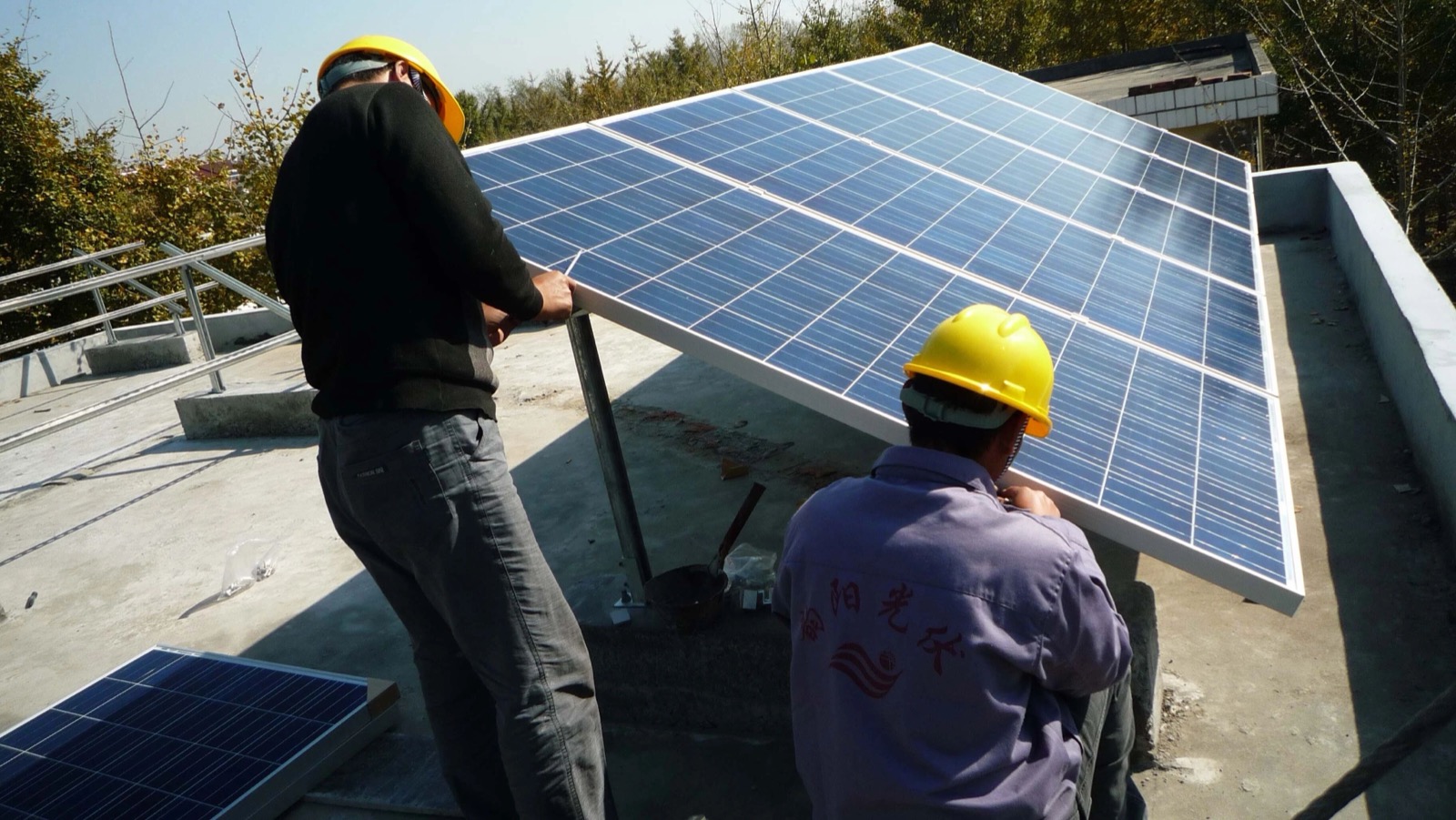
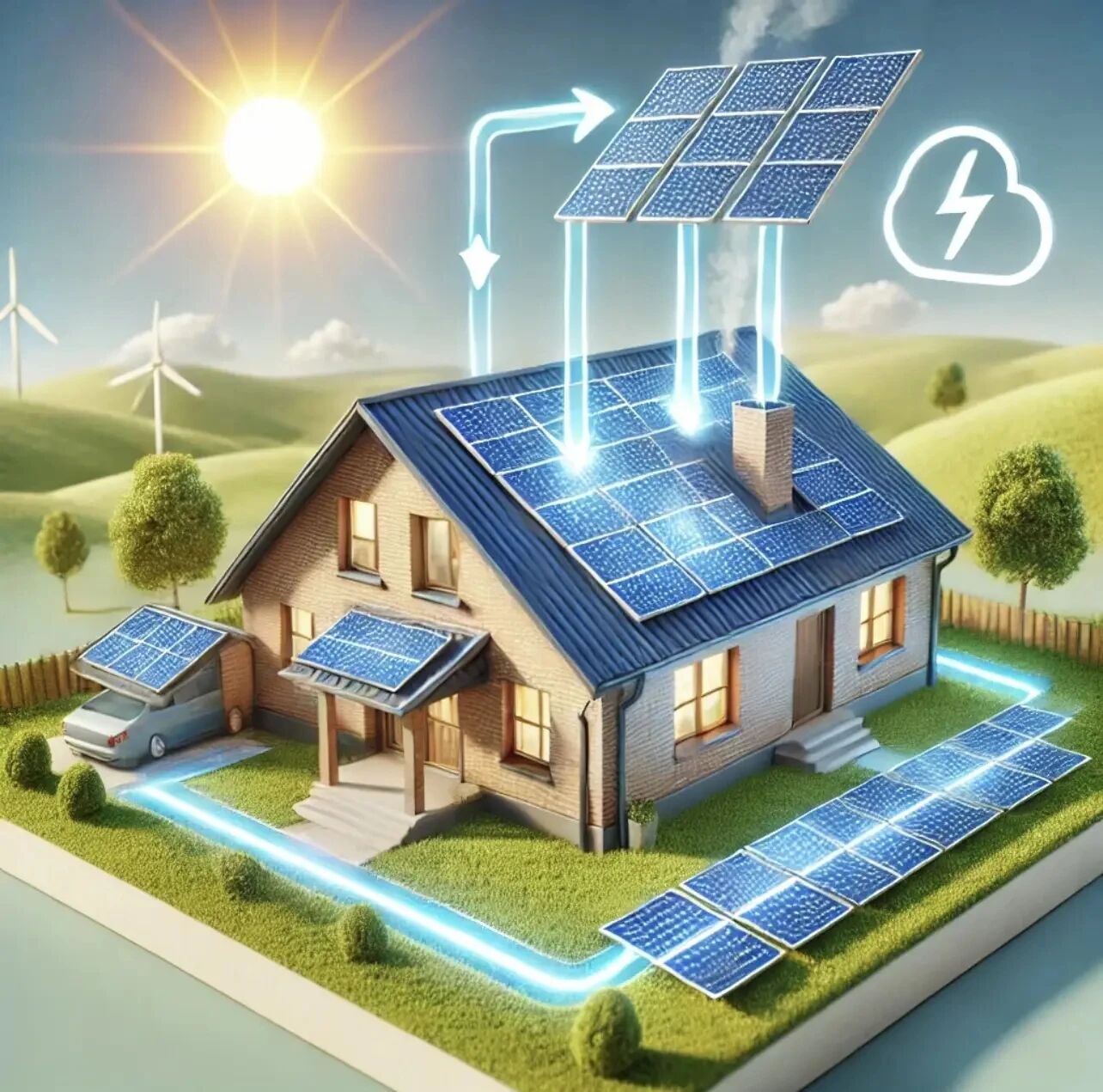
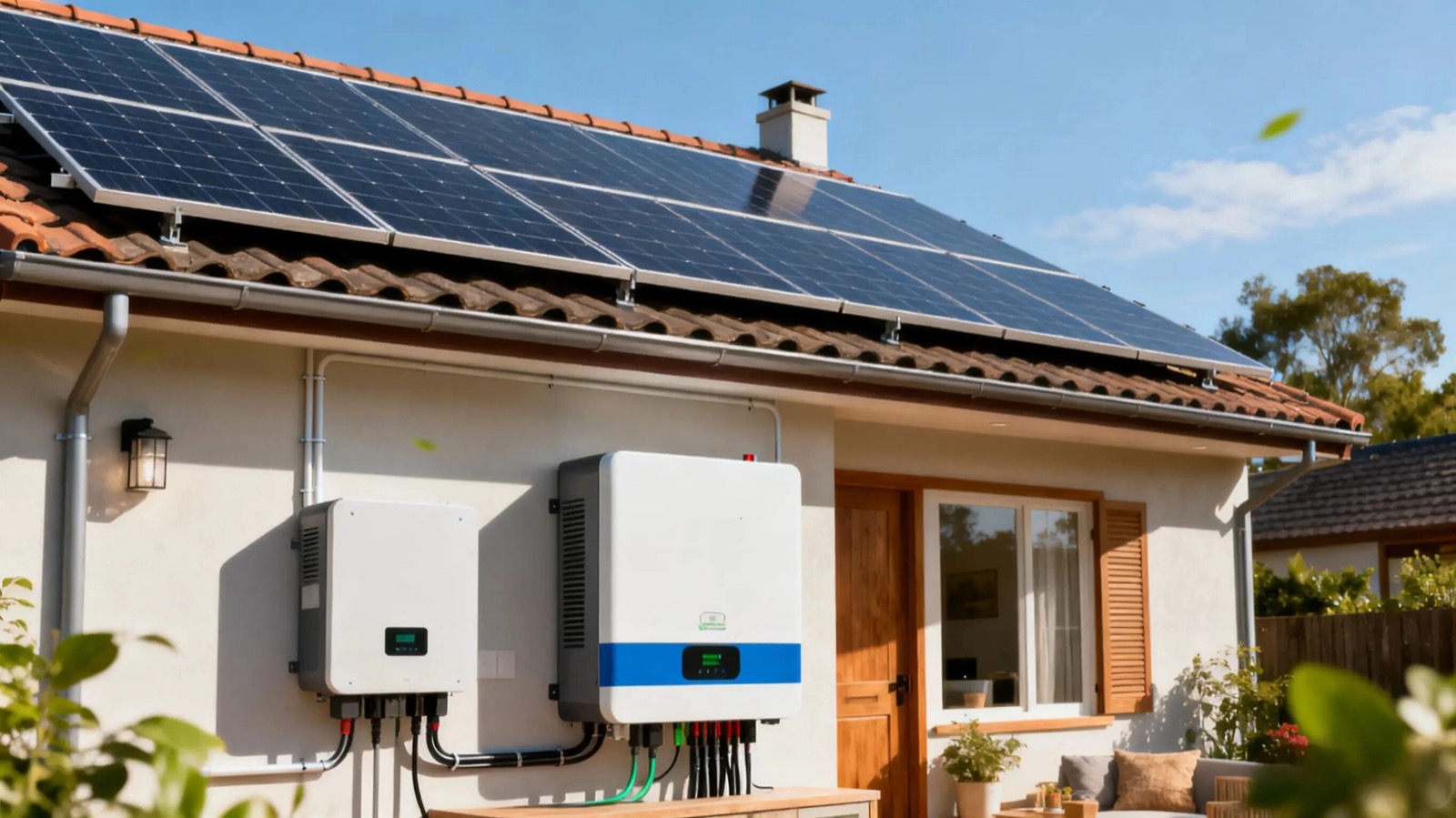
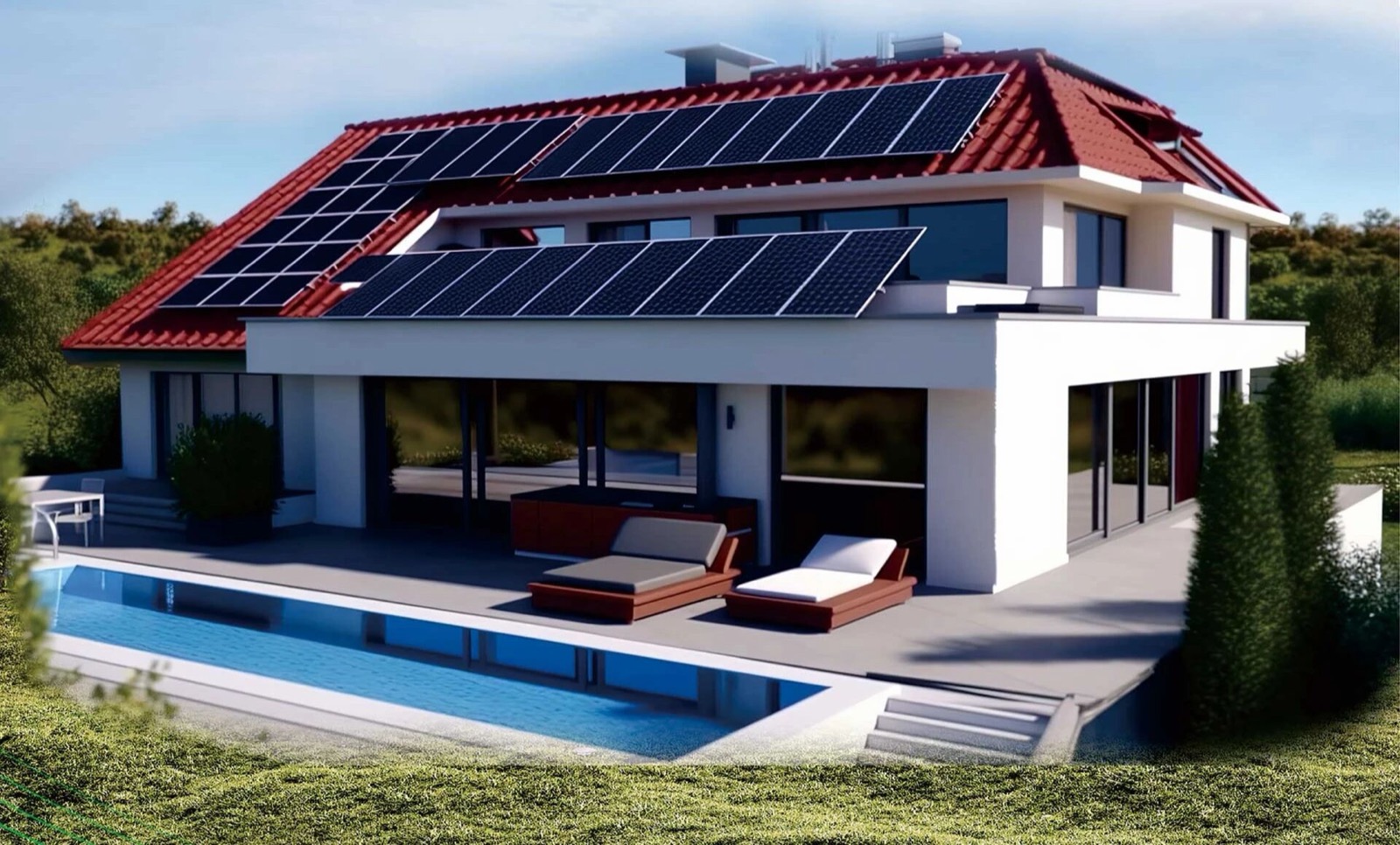
This is an application example adapted from JUNEXT's supplied article, not a verified customer delivery or commissioning report. The source images illustrate residential solar and storage applications.
1. What is the example configuration?
The article discusses twelve 630 W solar modules and a 16 kWh battery. The final inverter, electrical design and usable energy must be matched to the actual home and loads.
2. How much energy might it generate?
The source estimates about 10,000 kWh per year. This is an illustrative estimate; local sunlight, roof orientation, shading and system losses change the result.
3. How is payback estimated?
At an assumed electricity price of RMB 0.7/kWh, the source suggests roughly four years. This is not a return guarantee: investment, tariffs, self-consumption and operating costs require a local calculation.
4. How long do the components last?
The source discusses around 25 years for solar panels and 8–10 years for LiFePO4 batteries. Actual service life depends on the selected equipment, warranty, operating conditions and cycling.
5. How long does installation take?
The article gives two to three days as an example. Roof preparation, approvals, electrical work and commissioning determine the actual programme.
6. Can it provide power during an outage?
Backup requires a compatible inverter, switching arrangement and protected load circuits. Confirm off-grid capability and allowed loads before choosing a system.
7. What should be checked on the roof?
Review structural loading, fixing positions and waterproofing before installation. Site conditions and local rules must guide the mounting design.
8. Can batteries be added later?
Plan expansion before purchasing. Use manufacturer-approved compatible batteries and confirm matching specifications, communication, protection and installation requirements.
9. What maintenance is needed?
The source recommends removing panel dust and checking the inverter and wiring terminals at least annually. Inspect supports and cables before severe weather; follow the equipment maintenance instructions.
10. What changes should be avoided?
Do not expand or rewire the system without a qualified installer. Keep ventilation clear and avoid incompatible batteries; changes require electrical and fire-safety review.
Source and image context
Adapted from the JUNEXT Technology article linked below. Photographs and illustrations are supplied application references; the article does not establish a specific customer site, delivery date or measured system performance.